
Many small businesses still rely on manual processes to manage operations, customer support, and decision-making. As the business grows, these processes become slow, inefficient, and harder to scale, leading to missed opportunities and higher costs.
To understand how businesses are solving this, we researched real examples of companies using AI to improve different parts of their workflow.
In this guide, you will find practical use cases that show how AI is being applied across marketing, operations, finance, and customer experience.
Need help implementing AI in your workspace? Book a free consultation call for our Artificial Intelligence consulting services.

AI Agents That Support Your Customers 24/7
We build intelligent AI solutions for small businesses — from customer support bots to fully automated workflows that save you time and money.
Free consultation · No commitment
1. Glossier uses AI to turn customer data into smarter decisions
Glossier is a beauty brand that started from a blog and grew into a digital-first company. It collects large amounts of customer data from its website, blog, social media, and stores.
The company uses machine learning to understand how customers behave across these platforms. It tracks how users move between devices and channels before making a purchase.
This helps Glossier guide customers better and improve conversion rates. AI also analyzes feedback from reviews and comments to identify what customers want next.
What AI does in Glossier’s workflow:
- Tracks customer journeys across blog, website, and devices
- Identifies buying patterns and predicts purchase intent
- Analyzes reviews and comments to spot product trends
- Helps prioritize features for new product development
Earlier, this process was manual and slow. Now, AI speeds it up and reduces guesswork in product decisions. As a result, Glossier creates products based on real demand and delivers more personalized shopping experiences.
2. Stitch Fix uses AI to deliver personalized styling at scale
Stitch Fix is an online personal styling service that blends data science with human expertise. It helps customers discover clothing that fits their style, size, and preferences without endless browsing.
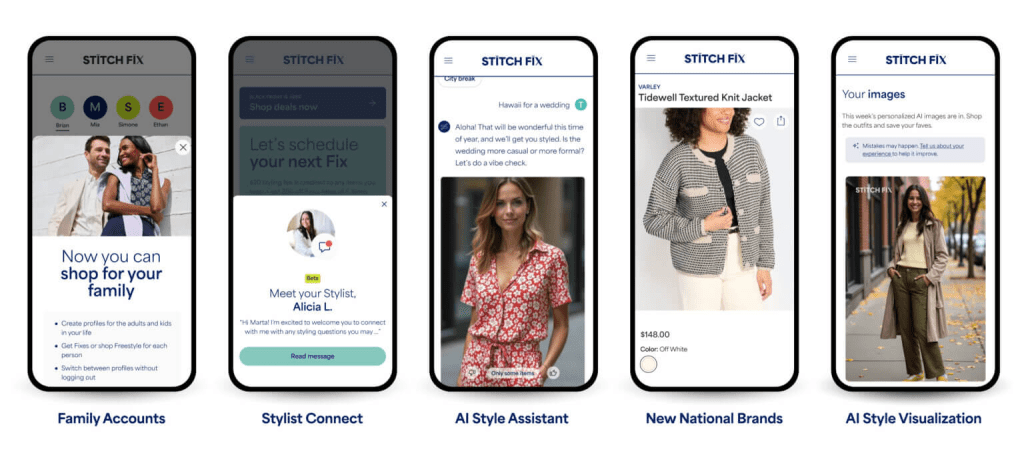
To improve how people shop for clothes, Stitch Fix uses AI across the entire styling journey. From understanding customer preferences to recommending outfits, AI helps simplify decisions and reduce choice overload.
Its advanced AI works with real customer data and inputs from stylists. It learns from every interaction and improves recommendations over time, making each experience more accurate and personalized.
What AI does in Stitch Fix’s workflow:
- Uses a conversational Style Assistant to understand customer preferences
- Recommends outfits based on behavior, fit, and past choices
- Supports stylists with data driven suggestions
- Creates personalized outfit visualizations
- Identifies trends and speeds up design decisions
With this approach, Stitch Fix delivers a highly personalized shopping experience that feels both smart and human.
3. Inventory Planner uses AI to improve demand forecasting
Retail and e-commerce businesses often struggle to predict demand accurately. Changing customer behavior, supply chain delays, and seasonal trends make manual forecasting unreliable.
Inventory Planner addresses this by using AI driven demand forecasting to analyze sales data, customer trends, and market signals. Instead of relying on spreadsheets, it processes large datasets in real time and updates predictions as new data comes in.
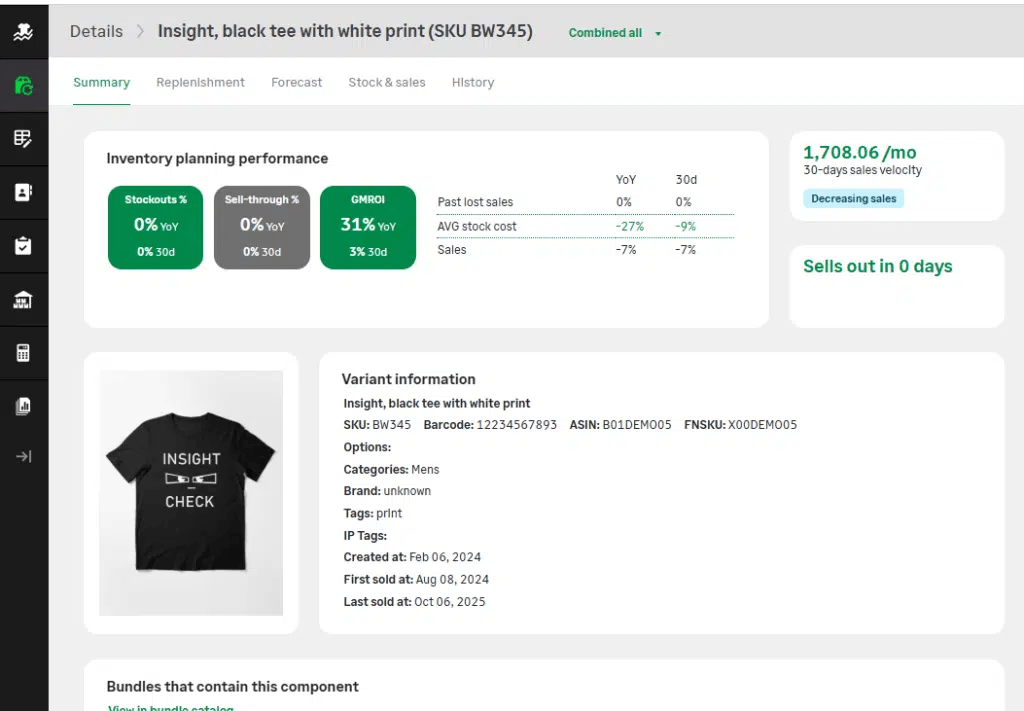
Smart inventory planning helps businesses save up to 23 hours weekly and reduces errors with automated planning.
At its core, the system focuses on helping businesses maintain the right inventory levels. It ensures products are available when needed without overstocking.
What AI does in the Inventory Planner’s workflow:
- Analyzes historical sales and customer demand patterns
- Adjusts forecasts based on new data and market changes
- Predicts future demand across products and channels
- Recommends when and how much stock to reorder
- Reduces manual calculations and planning errors
4. LawnStarter uses AI to scale and optimize service delivery
LawnStarter is a digital marketplace that connects homeowners with local professionals for lawn care and outdoor services. It has grown rapidly and crossed $100 million in bookings while maintaining profitability.
With AI, LawnStarter is transforming how services are delivered across operations, marketing, and customer experience. Its platform uses machine learning to improve efficiency at every stage, from booking to service completion.
The outdoor service industry often faces issues like scheduling delays, inefficient pricing, and poor customer insights. This is where LawnStarter uses AI to solve the actual problems and make services faster and more reliable.
What AI does in LawnStarter’s workflow:
- Predicts customer lifetime value to improve ad targeting
- Automates internal workflows and reduces manual work
- Analyzes customer feedback for better service decisions
- Optimizes scheduling using real-time data
- Detects and prevents fraud across transactions
- Speeds up product and software development
If you run a service-based business, this approach shows how AI can improve operations, reduce costs, and create a more seamless customer experience at scale.
5. Fresha uses AI to automate customer support
Fresha is a global platform that helps salons, spas, and wellness businesses manage bookings, payments, and customer relationships. It powers operations for over 140,000 businesses worldwide.
Their team recently announced in February 2026 that its AI agent, Nova, now handles over 80% of all customer support tickets with a high satisfaction score.
Fresha’s AI agent Nova uses machine learning and natural language processing to understand customer queries and respond instantly with accurate answers. It works across different regions and time zones without delays.
What AI does in Fresha’s workflow:
- Resolves customer support queries automatically
- Analyzes conversations to give accurate and contextual responses
- Detects fraud and prevents suspicious transactions
- Automates onboarding and business setup for new users
- Optimizes bookings, marketing, and client communication
Over time, this reduces manual workload, improves response speed, and helps businesses operate more efficiently while maintaining a high-quality customer experience.
6. Brex uses AI to bring control to business spending
Brex is a fintech platform that helps companies manage corporate spending, expenses, and financial operations in one place. It focuses on giving finance teams more control and visibility over how money is used.
Instead of relying on manual processes like spreadsheets and delayed reporting, Brex uses AI to shift businesses from reactive spend tracking to proactive spend control.
With advanced AI, the platform automates financial workflows and enforces policies before money is spent. This helps companies avoid overspending and reduces manual work for finance teams.
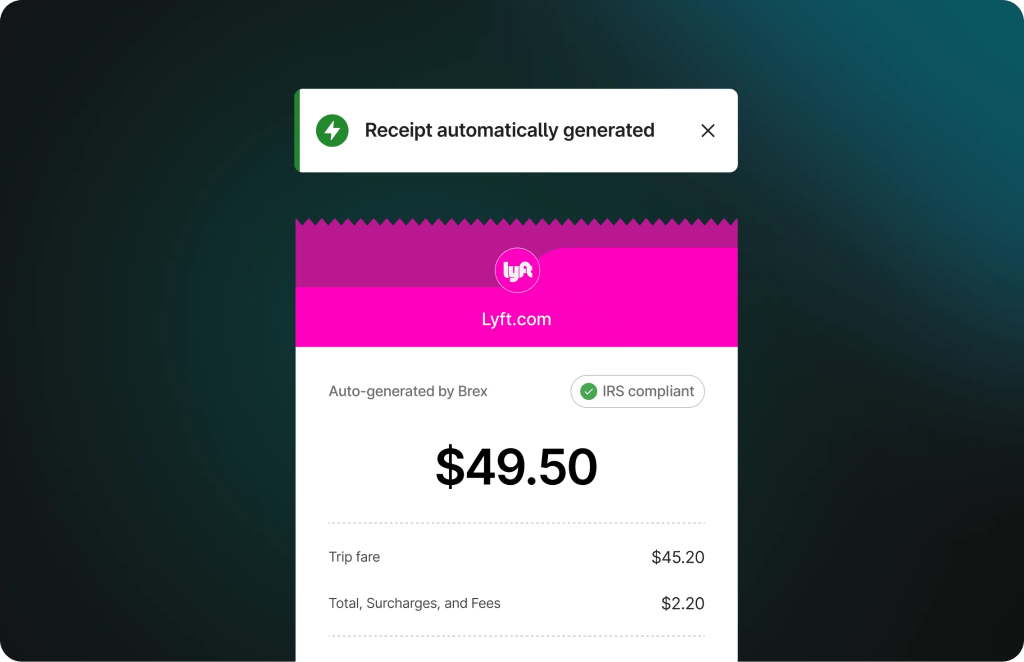
What AI does in Brex’s workflow:
- Automatically categorizes transactions and maps them to systems
- Enforces spending policies and restricts out-of-policy expenses
- Generates receipts and expense reports automatically
- Provides real time insights and spend analysis
- Suggests budgets and benchmarks performance
This helps Brex customers gain better control over spending, reduce financial errors, and make faster, data driven decisions while scaling operations efficiently.
7. Upside uses AI to find hidden insights from marketing data
Upside is a GTM intelligence platform that helps revenue teams understand what actually drives deals. It connects scattered data from multiple tools into one clear system.
Unlike traditional analytics tools, Upside focuses on reconstructing the full customer journey. It uses AI to connect missing data points and show what really happened across marketing, sales, and operations.
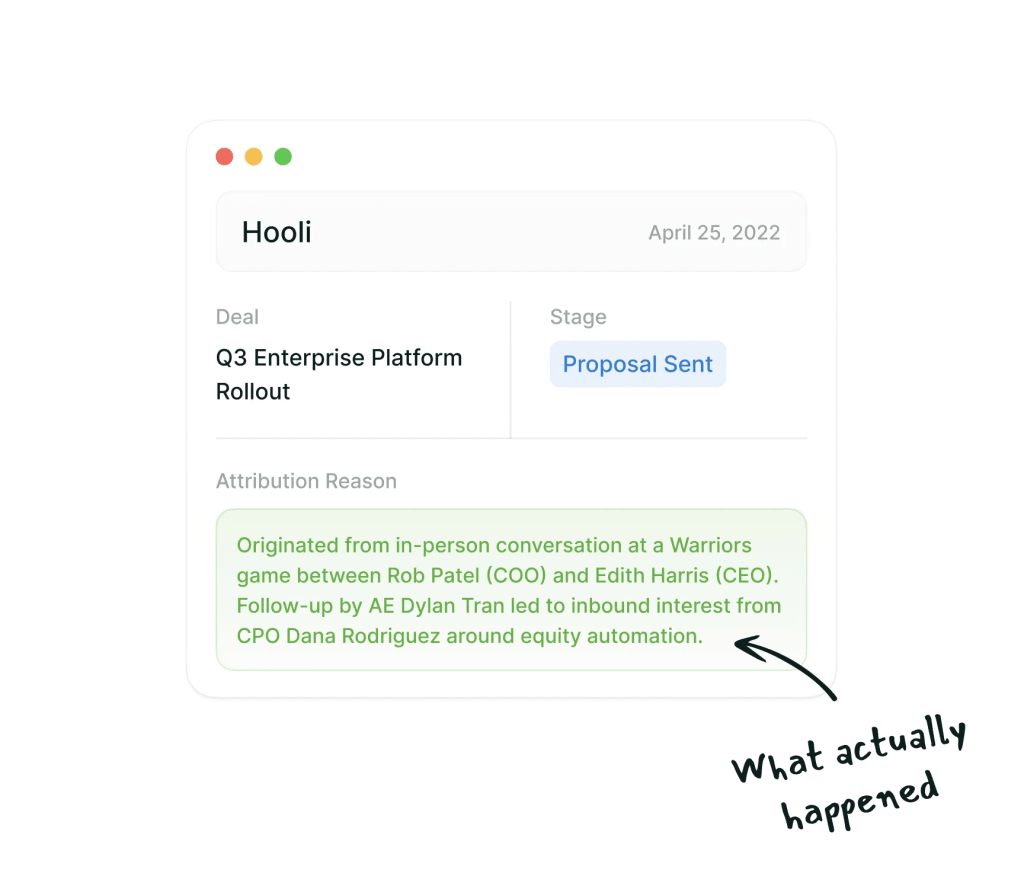
AI plays a key role in turning incomplete and fragmented data into structured insights. It builds a unified view of customer interactions, timelines, and decision points.
What AI does in Upside’s workflow:
- Reconstructs missing touchpoints from different systems
- Connects people, events, and timelines into a unified data graph
- Identifies key moments that impact deal outcomes
- Analyzes patterns across deals to find what works
- Provides real-time insights without manual analysis
This approach gives teams a single source of truth, reduces confusion across departments, and helps businesses make decisions based on actual data instead of assumptions.
Further AI resources:
- How Small Businesses Can Use AI Without An In-house Tech Team
- Enterprise AI Implementation
- How Much Does It Cost To Build An AI Customer Service Chatbot
What are the benefits of using AI for startups or businesses
Faster decision making
AI helps businesses move from guesswork to clear insights. It analyzes large amounts of data quickly and shows what matters most. This allows founders and teams to take faster actions based on real information instead of waiting for manual reports.
Time savings through automation
Many daily tasks like data entry, reporting, and basic support take up valuable time. AI automates these repetitive tasks and handles them continuously. This frees up teams to focus on growth, strategy, and higher impact work.
Improved customer experience
AI helps businesses understand customer behavior and preferences in detail. It enables personalized recommendations, faster responses, and better communication.
Cost reduction
Startups often operate with limited resources. AI reduces the need for large teams by handling tasks that would otherwise require manual effort. With AI integration, your business can lower operational costs while maintaining efficiency and output.
Scalability without heavy hiring
As demand grows, AI systems can handle more work without increasing team size. This allows businesses to scale faster, manage higher workloads, and expand operations without adding significant overhead.
👉 Learn how to pivot your product for AI
Integrate AI into your workflow with help from RAAS Cloud experts
Struggling with repetitive tasks, slow decisions, or scattered data in your workflow? Many businesses face this problem as they grow, and manual processes start holding them back.
Without the right systems, teams waste time, make errors, and miss opportunities to scale efficiently. This is where AI can make a real difference.
With help from RAAS Cloud experts, you can identify the right use cases, build a clear AI strategy, and integrate solutions into your existing workflow.
This helps automate operations, improve decision-making, and create smarter systems that grow with your business.
👉 Book a free consultation call with our experts at RAAS Cloud

Dhanalakshmi Kadirvelu is a Business Intelligence and Data Analytics expert with a strong focus on software development and data engineering. She creates efficient data models, builds interactive dashboards, and integrates analytics into software systems using Power BI, OBIEE, and SQL. Her work helps development teams use data effectively to create smarter software solutions and improve business performance.