

Software teams are under constant pressure to ship faster without breaking quality. Manual testing alone can’t keep up with modern release cycles, especially in environments built around Agile, DevOps, and continuous delivery.
This is where test automation has moved from a nice-to-have to a core part of software development.
Test automation enables teams to run tests faster, more consistently, and at scale. It reduces repetitive manual effort, shortens feedback loops, and helps teams catch defects earlier in the development lifecycle.
As tools mature and AI-driven capabilities enter testing workflows, automation is reshaping how quality assurance is planned, executed, and measured.
This article compiles test automation statistics for 2026 drawn exclusively from published reports and studies.
These numbers highlight how widely automation is adopted, where teams are seeing real value, and which trends are shaping the future of software testing.
Let’s start with the most important test automation statistics.
Here are test automation statistics at a glance:
- Test automation has replaced 50% or more of manual testing for 46% of teams, showing widespread automation adoption across modern software development environments.
- Twenty percent of teams report that automation has replaced 75% or more of manual testing, reflecting advanced automation maturity in a significant portion of organizations.
- Only 14% of teams report no reduction in manual testing due to automation, a sharp decline from 26% in 2023.
- Forty percent of testers use ChatGPT for test automation assistance, while Claude and Gemini are used by 10% and 6%, respectively.
- Improving automation efficiency is the top AI benefit in testing, cited by 46% of teams using AI-powered testing tools.
- Jenkins leads CI integration adoption at 35%, followed by Cypress at 28%, supporting automated test execution within continuous delivery pipelines.
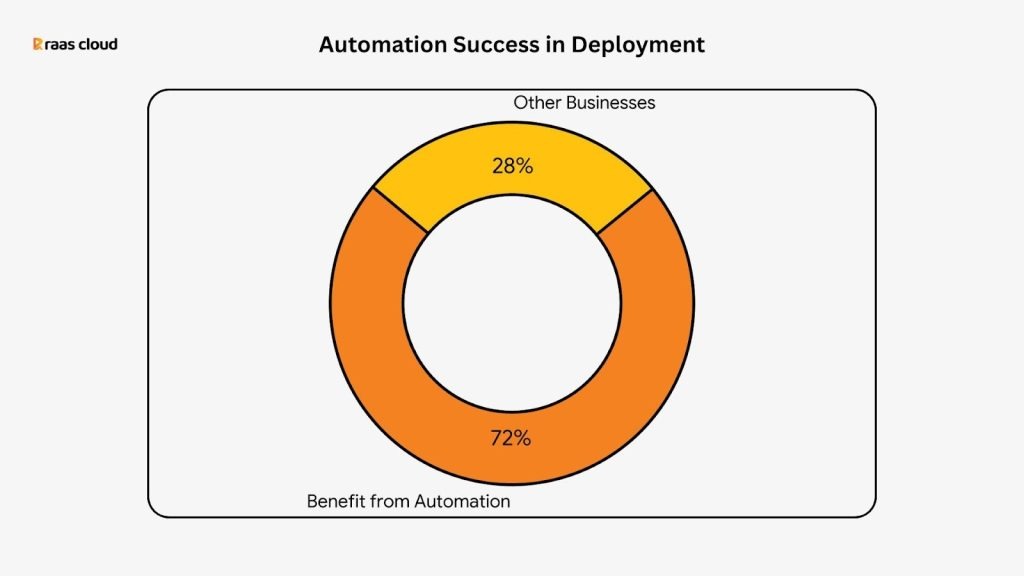
- Seventy-two percent of successful businesses report measurable benefits from test automation during software deployment and release processes.
- More than 60% of companies report achieving a positive return on investment from adopting automated software testing tools.
- Test automation can improve defect detection rates by up to 90% compared to manual testing methods.
- The global test automation market grew from $15.87 billion in 2019 and is projected to reach $49.9 billion by 2025.
Automation Adoption and Coverage
Test automation adoption in 2026 shows clear momentum, but not full maturity. Most teams now automate a significant share of testing, while manual testing remains necessary for complex scenarios. The data shows automation expanding steadily, with practical limits shaping how far teams are willing and able to go.
- 46% of teams have automated at least 50% of their testing, with 20% automating 75% or more, showing automation is now embedded in core QA workflows rather than treated as an experiment.
- Only 14% of teams report no reduction in manual testing, down from 26% in 2023, indicating a sharp decline in teams relying entirely on manual testing approaches.
- 33% of teams aim to automate 50–75% of test cases, reflecting a balanced strategy that prioritizes high-value, repeatable tests instead of unrealistic full automation.
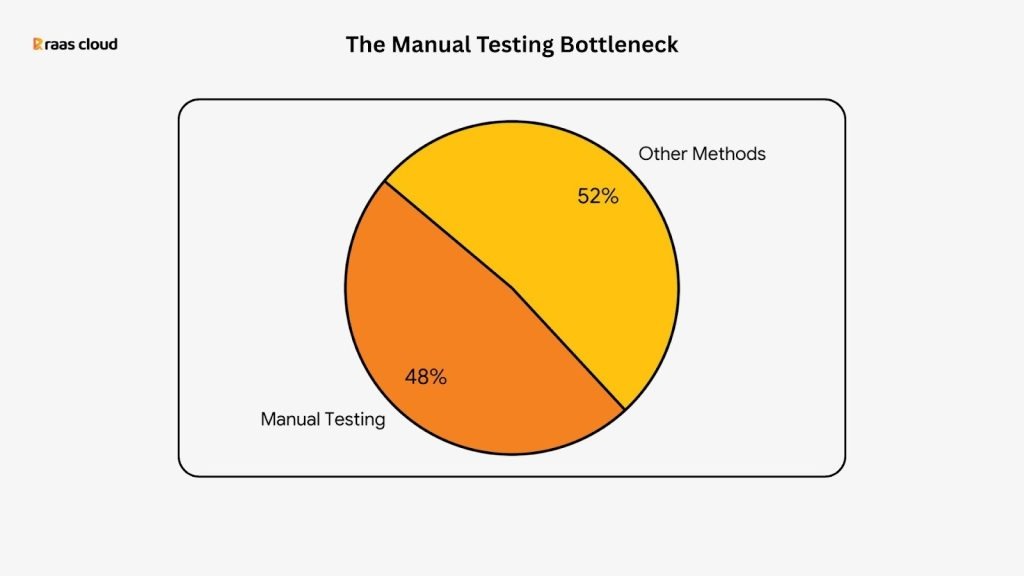
- 48% of companies still rely too heavily on manual testing, which continues to slow execution, increase costs, and limit scalability in modern delivery pipelines.
- Just 5% of organizations use fully automated testing, confirming that complete automation remains rare and largely impractical for most real-world applications.
AI in Test Automation
AI is increasingly influencing how teams design, execute, and maintain automated tests. In 2025, adoption is growing fast but remains uneven. While many teams report efficiency gains, others are still experimenting, cautious about reliability, interpretation, and integration into existing QA workflows.
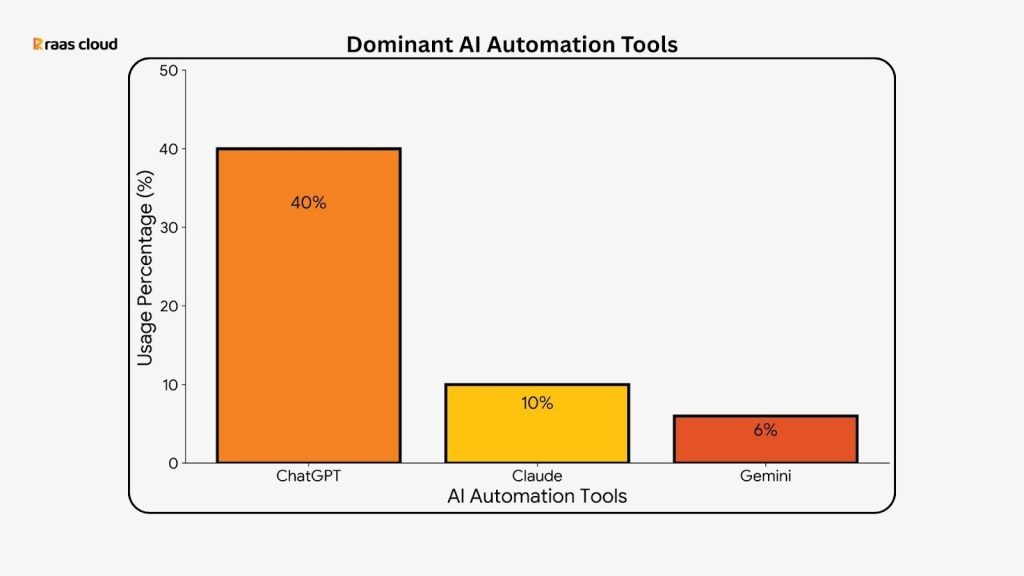
- 40% of testers use ChatGPT for test automation assistance, compared to 10% using Claude and 6% using Gemini, showing early consolidation around a few dominant AI tools.
- 46% of teams cite improved automation efficiency as the primary benefit of AI in testing, ahead of test data generation at 35% and reduced manual effort at 27%.
- 42% of large organizations actively deploy AI in testing workflows, while another 40% are exploring generative AI for test case creation and ongoing maintenance.
- 68% of organizations are utilizing generative AI or have formal roadmaps after successful pilots, with 72% reporting faster automation processes as a direct outcome.
- AI and machine learning testing adoption increased from 7% in 2023 to 16% in 2025, more than doubling in two years despite still being a minority practice.
CI/CD Integration and Tooling
Test automation growth in 2025 is closely tied to CI/CD adoption. Teams increasingly embed automated tests directly into pipelines to shorten feedback loops and reduce release risk. Tool choice plays a major role in how effectively automation scales across fast, continuous delivery environments.
- Jenkins leads CI-driven test automation adoption at 35%, followed by Cypress at 28%, highlighting strong demand for tools that integrate cleanly with continuous integration pipelines.
- 72% of successful businesses report benefiting from test automation in their deployment process, linking automated testing directly to faster and more reliable release cycles.
- Test automation can reduce developer feedback response time by up to 80%, enabling quicker fixes, shorter development cycles, and faster time-to-market.
- 73% of testers use automation for functional and regression testing, making these test types the most commonly embedded into CI/CD workflows.
- 97% of organizations consider API testing essential, reinforcing its role as a core automation layer within modern CI/CD-driven architectures.
ROI, Quality, and Business Impact
By 2025, test automation is no longer justified on theory alone. Organizations now evaluate it based on measurable business outcomes, including cost savings, product quality, and delivery speed. The data shows automation delivering tangible returns, especially for teams that invest consistently and integrate testing early.
- Over 60% of companies report a positive return on investment from automated testing tools, confirming that automation delivers financial value beyond productivity gains.

- Automation can increase defect detection rates by up to 90% compared to manual testing, significantly reducing production defects and rework costs.
- 60% of organizations using test automation report significant improvements in application quality, driven by broader coverage and earlier defect detection.
- 75% of organizations believe test automation speeds up innovation by enabling faster test cycles and safer experimentation.
- 72% of companies allocate between 10% and 49% of their QA budget to test automation, reflecting sustained, long-term investment rather than one-off tooling decisions.
Challenges, Limits, and Gaps
Despite widespread adoption, test automation in 2025 still faces structural and operational constraints. Tool complexity, skill gaps, and unrealistic expectations continue to limit outcomes. The data shows where teams struggle most and why automation maturity remains uneven across organizations.
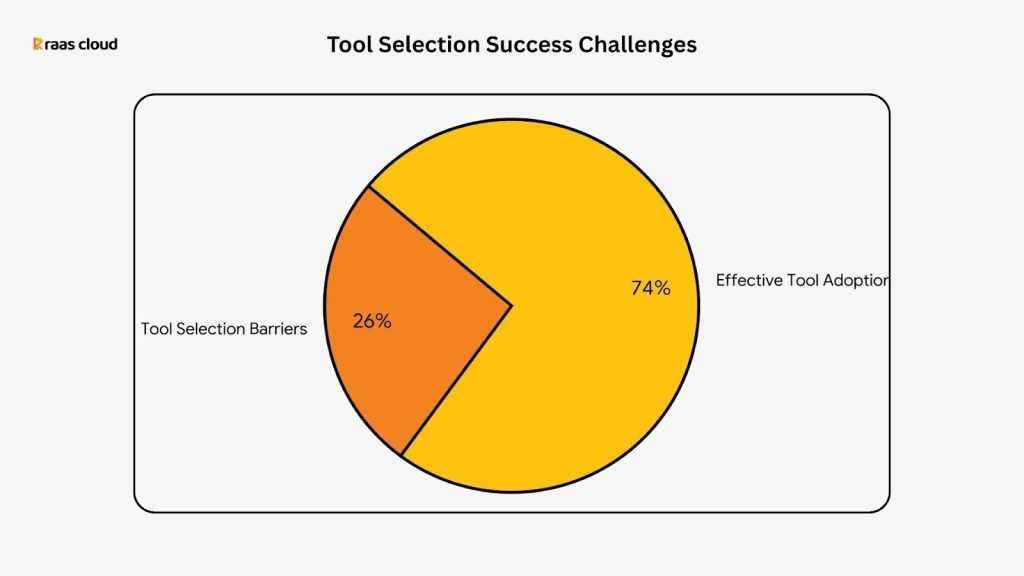
- 26% of teams struggle to select the right test automation tools, a challenge that directly impacts efficiency, maintainability, and long-term automation success.
- Less than 50% of companies currently use AI capabilities in test automation, indicating a large gap between available technology and real-world adoption.
- Only 18% of teams use test-driven development, leaving significant unrealized potential for earlier defect prevention and tighter alignment between development and testing.
- 48% of companies report excessive reliance on manual testing, which continues to slow execution and reduce scalability in fast-moving delivery environments.
- Just 13% of teams see AI improving cross-functional collaboration, showing that most AI benefits remain technical rather than organizational.
Enterprise, Cloud, and Regional Trends
Test automation adoption in 2025 is strongly shaped by enterprise scale, cloud infrastructure, and regional investment patterns. Larger organizations lead adoption, while cloud-based delivery models are now the default. At the same time, spending and growth vary significantly by geography.
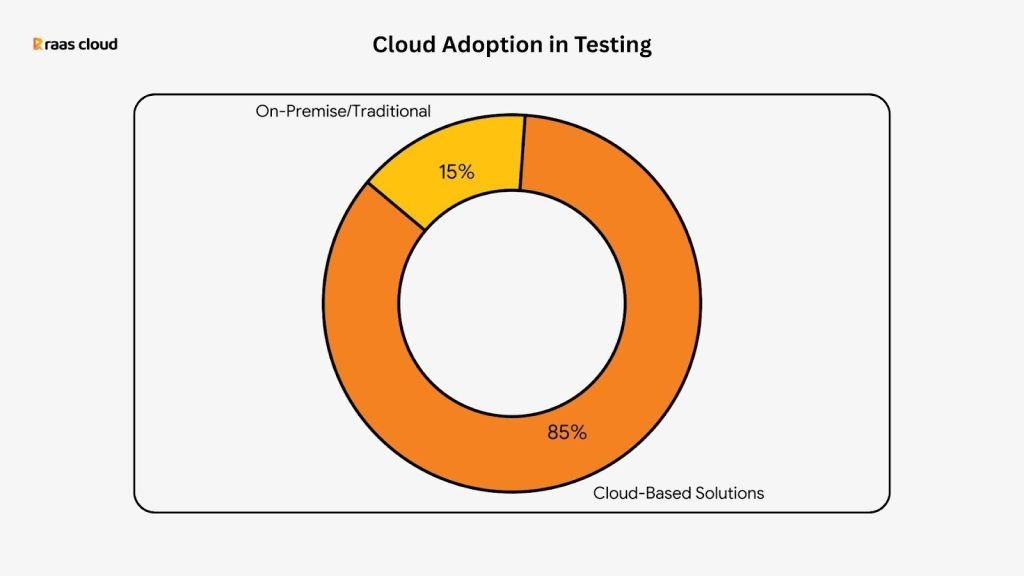
- 85% of organizations use cloud-based test automation solutions, reflecting a strong shift toward scalable, flexible testing environments that support distributed teams and on-demand execution.
- More than 90,000 enterprises have deployed automated testing solutions through enterprise platforms, showing automation is deeply embedded in large-scale organizational workflows.
- 72% of companies allocate 10–49% of their QA budgets to automation, indicating sustained enterprise-level financial commitment rather than experimental spending.
- North America and Europe account for the largest share of test automation spend, while Asia Pacific is the fastest-growing region with a 16% compound annual growth rate.
- 55% of companies identify automation as a core part of their quality assurance process, reinforcing its role as a foundational enterprise capability rather than a niche practice.
What These Test Automation Statistics Mean
The 2025 data makes one thing clear: test automation has crossed the adoption phase, but maturity is still lagging. Most teams automate aggressively where it pays off, invest steadily, and see measurable gains, yet stop short of full automation due to complexity, cost, and human-dependent testing needs.
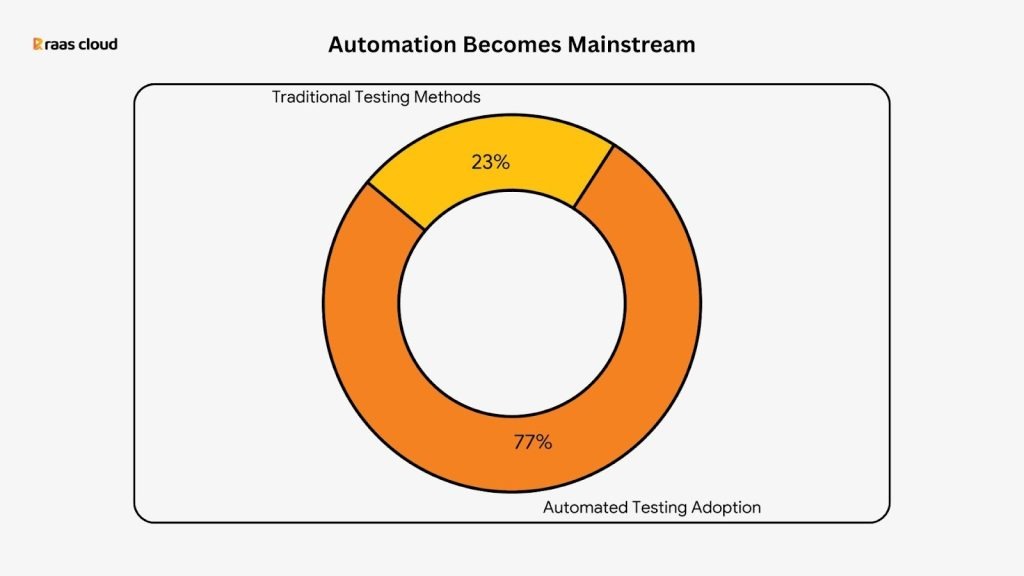
- 77% of companies have adopted automated software testing, showing automation is now mainstream rather than optional across modern development teams.
- 90% of businesses consider test automation essential for digital transformation, tying automation directly to long-term competitiveness and modernization efforts.
- Only 5% of organizations operate fully automated testing environments, confirming that selective automation remains the dominant and realistic strategy.
- 39% of teams report efficiency gains from AI-driven test automation, indicating early value but also room for improvement as tools mature.
- 48% of companies still struggle with heavy manual testing reliance, highlighting that tooling alone does not guarantee automation success without process and skill alignment.
FAQs
Why is test automation important for modern software teams?
Test automation matters because software delivery has accelerated while system complexity has increased. Automated tests enable frequent validation, faster feedback, and consistent execution across releases. This reduces regression risk, shortens release cycles, and allows teams to scale quality assurance without linearly increasing manual effort or staffing.
What types of testing are best suited for automation?
Automation works best for repeatable, stable, and high-volume tests such as functional, regression, and API testing. These tests benefit from consistency and speed. Exploratory, usability, and edge-case testing still require human judgment, which is why most teams adopt selective automation rather than attempting full coverage.
How much test automation is considered realistic?
Most organizations target partial automation rather than full automation. Automating around half to three-quarters of test cases is common because not all scenarios are cost-effective or technically suitable. A realistic automation strategy balances return on investment, maintenance effort, and the need for manual validation in complex workflows.
How does AI change test automation in practice?
AI improves test automation by accelerating script creation, reducing maintenance, and optimizing test execution. It helps teams adapt to UI changes, generate test data, and prioritize test cases. However, AI still requires human oversight, especially when interpreting results and deciding how tests align with business risk.
Is manual testing still relevant in automated environments?
Manual testing remains essential even in highly automated environments. It supports exploratory testing, usability evaluation, and scenarios that depend on intuition or visual judgment. Automation increases speed and coverage, but manual testing provides context, creativity, and critical thinking that tools cannot replicate.
Final Words
Test automation in 2025 has clearly moved past early experimentation. Most organizations now rely on automation to support faster releases, broader test coverage, and consistent quality.
The statistics show strong adoption, measurable ROI, and growing integration with CI/CD and cloud environments. Automation is no longer a tactical choice.
It has become a structural requirement for modern software delivery. At the same time, the data exposes clear limits.
Full automation remains rare, AI adoption is uneven, and many teams still struggle with tool selection and manual testing dependency. The teams seeing the strongest results are not chasing maximum automation, but intentional automation.
They invest where automation delivers value, accept its limits, and treat testing as a continuous, evolving capability.
Explore further statistical roundups:
- 50+ Stunning Mobile App Usage Statistics to Watch
- 50+ Surprising Tech Industry Hiring Statistics
- 50+ Vercel Usage Statistics Updated
Data Sources
- https://www.practitest.com/state-of-testing/
- https://dogq.io/blog/test-automation-statistics-for-making-the-right-decisions/
- https://www.thebusinessresearchcompany.com/report/automation-testing-global-market-report
- https://llcbuddy.com/data/test-automation-software-statistics/#source-10
- https://newsroom.ibm.com/2024-01-10-Data-Suggests-Growth-in-Enterprise-Adoption-of-AI-is-Due-to-Widespread-Deployment-by-Early-Adopters
- https://www.marketingscoop.com/ai/test-automation-statistics/
- https://www.capgemini.com/us-en/news/press-releases/world-quality-report-2024-shows-68-of-organizations-now-utilizing-gen-ai-to-advance-quality-engineering/
- https://www.simform.com/state-of-test-automation-survey-2024/

Dhanalakshmi Kadirvelu is a Business Intelligence and Data Analytics expert with a strong focus on software development and data engineering. She creates efficient data models, builds interactive dashboards, and integrates analytics into software systems using Power BI, OBIEE, and SQL. Her work helps development teams use data effectively to create smarter software solutions and improve business performance.